

How Can Prefabricated Mobile Industrial Modular Housing Transform Modern Industrial Construction
Prefabricated Mobile Industrial Modular Housing has become an innovative solution for companies seeking flexible, efficient, and cost-effective industrial spaces. Cymdin specializes in providing advanced modular construction solutions that combine factory manufacturing, rapid installation, and durable structural design to meet the changing needs of industrial projects. As a professional supplier, the company delivers customizable modular housing systems designed for industrial sites, temporary facilities, workforce accommodation, and commercial applications.
Article Summary: This article explores how Prefabricated Mobile Industrial Modular Housing improves construction efficiency, reduces project costs, and provides adaptable solutions for modern industrial environments. It explains the technology, key advantages, application scenarios, manufacturing process, and important considerations when selecting a reliable modular housing supplier.
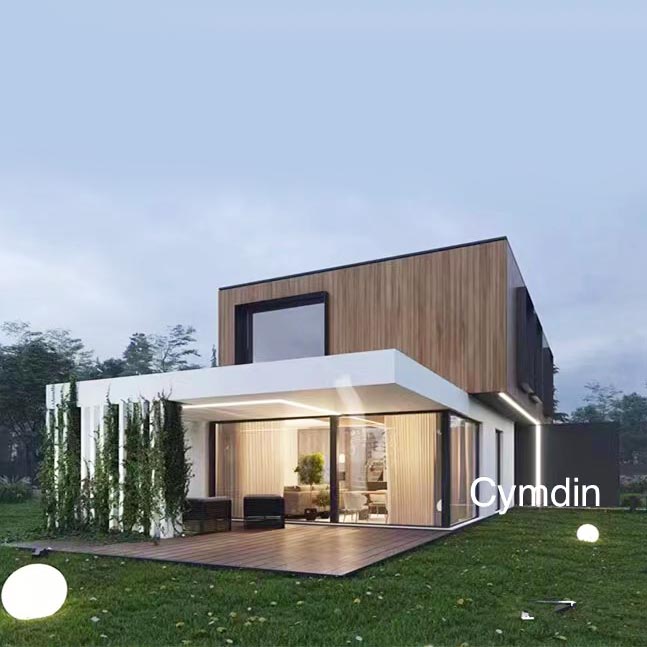
Table of Contents
- What Is Prefabricated Mobile Industrial Modular Housing?
- Why Is Prefabricated Mobile Industrial Modular Housing Becoming Popular?
- What Are the Key Features of Modern Industrial Modular Housing?
- Where Can Modular Industrial Housing Be Applied?
- How Is Prefabricated Mobile Modular Housing Manufactured?
- Prefabricated Modular Housing Compared with Traditional Construction
- How to Choose a Reliable Modular Housing Supplier?
- Frequently Asked Questions About Prefabricated Mobile Industrial Modular Housing
What Is Prefabricated Mobile Industrial Modular Housing?
Prefabricated Mobile Industrial Modular Housing refers to a building system where individual modules are manufactured in a controlled factory environment and transported to the project location for quick assembly. Unlike conventional construction methods that require long onsite building periods, modular housing integrates structural components, wall systems, insulation materials, electrical layouts, and interior facilities before installation.
This construction method provides industrial users with flexible space solutions that can be relocated, expanded, or customized according to operational requirements. It is widely used in factories, construction sites, energy projects, mining areas, logistics centers, and industrial parks where fast deployment and reliable performance are essential.
Why Is Prefabricated Mobile Industrial Modular Housing Becoming Popular?
The increasing demand for efficient industrial infrastructure has accelerated the adoption of modular building technology. Companies need facilities that can be constructed faster while maintaining safety, durability, and cost control. Prefabricated Mobile Industrial Modular Housing addresses these challenges through standardized production and intelligent design.
| Advantages | Description |
|---|---|
| Fast Installation | Factory-produced modules significantly reduce onsite construction time and allow rapid project completion. |
| Cost Efficiency | Controlled manufacturing reduces material waste, labor expenses, and unexpected construction costs. |
| Flexible Design | Modular structures can be customized according to size, layout, insulation requirements, and functional needs. |
| Easy Relocation | Mobile modular units can be dismantled and moved to another location when project requirements change. |
| Quality Control | Factory production ensures stable quality through standardized manufacturing procedures and inspections. |
These advantages make modular industrial housing an attractive choice for businesses looking for sustainable and adaptable construction solutions.
What Are the Key Features of Modern Industrial Modular Housing?
High-quality Prefabricated Mobile Industrial Modular Housing combines advanced engineering with practical industrial requirements. The main features usually include:
- Strong Structural Stability: Steel frames and reinforced structures provide excellent resistance against different environmental conditions.
- Efficient Thermal Insulation: Advanced wall panels and insulation systems improve indoor comfort and reduce energy consumption.
- Customized Interior Layout: Users can configure offices, accommodation rooms, meeting areas, storage spaces, or technical rooms.
- Weather Resistance: Professional materials help protect buildings from rain, wind, corrosion, and temperature changes.
- Environmentally Friendly Construction: Factory production minimizes construction waste and supports sustainable building practices.
Because of these characteristics, modular housing can provide long-term value for industrial customers requiring reliable facilities.
Where Can Modular Industrial Housing Be Applied?
Prefabricated Mobile Industrial Modular Housing is suitable for various industries and project environments. Its flexible structure allows companies to quickly establish functional spaces without traditional construction limitations.
| Application Area | Typical Usage |
|---|---|
| Industrial Plants | Temporary offices, employee facilities, production support rooms, and equipment areas. |
| Construction Projects | Worker accommodation, site offices, management buildings, and storage facilities. |
| Energy Projects | Remote operation bases, maintenance stations, and technical service facilities. |
| Mining Areas | Durable living spaces and working environments in remote locations. |
| Logistics Centers | Flexible administrative offices and operational support buildings. |
How Is Prefabricated Mobile Modular Housing Manufactured?
The manufacturing process of modular housing follows a systematic approach to ensure quality, safety, and installation efficiency. A professional manufacturer usually completes the following steps:
- Engineering Design: The project requirements, environmental conditions, and functional needs are analyzed to create a customized design plan.
- Material Preparation: Steel structures, wall panels, insulation materials, flooring systems, and electrical components are prepared according to specifications.
- Factory Fabrication: Modular components are assembled in a controlled production environment to maintain precision and consistency.
- Quality Inspection: Each module undergoes structural checks, safety inspections, and functional testing before shipment.
- Onsite Installation: Finished modules are transported and assembled quickly at the project location.
This factory-based production model improves construction reliability while reducing project delays caused by weather conditions or onsite limitations.
Prefabricated Modular Housing Compared with Traditional Construction
| Comparison Factor | Prefabricated Modular Housing | Traditional Construction |
|---|---|---|
| Construction Speed | Fast production and installation with shorter project cycles | Longer construction period due to onsite processes |
| Quality Management | Factory-controlled manufacturing standards | Quality may vary depending on onsite conditions |
| Flexibility | Easy expansion, modification, and relocation | Limited adaptability after completion |
| Material Efficiency | Reduced waste through precise production | Higher material consumption during construction |
| Project Cost | More predictable investment planning | Costs may increase due to delays and changes |
How to Choose a Reliable Modular Housing Supplier?
Selecting the right supplier is essential for ensuring the performance and service life of Prefabricated Mobile Industrial Modular Housing. Buyers should consider several important factors:
- Manufacturing Capability: Evaluate whether the supplier has professional production facilities and engineering experience.
- Customization Ability: Confirm whether the supplier can provide solutions based on specific project requirements.
- Material Quality: Check the durability, insulation performance, and safety standards of construction materials.
- Project Experience: Suppliers with successful industrial applications usually have stronger technical knowledge.
- After-Sales Support: Reliable technical service helps maintain long-term building performance.
A trustworthy supplier can provide not only modular structures but also complete project support from design consultation to installation.
Frequently Asked Questions About Prefabricated Mobile Industrial Modular Housing
1. What is the lifespan of Prefabricated Mobile Industrial Modular Housing?
The service life depends on structural design, material quality, environmental conditions, and maintenance. With proper materials and regular maintenance, modular industrial buildings can provide reliable performance for many years.
2. Can Prefabricated Mobile Industrial Modular Housing be customized?
Yes. Modular housing can be customized in terms of dimensions, internal layout, insulation systems, windows, doors, electrical configurations, and functional requirements to match different industrial applications.
3. Is modular housing suitable for harsh industrial environments?
Yes. Professional modular buildings can be designed with reinforced structures, weather-resistant materials, and insulation systems to operate in challenging environments such as remote areas, construction sites, and industrial zones.
4. How long does it take to install modular industrial housing?
Installation time depends on project size and design complexity. Compared with traditional buildings, modular housing generally requires significantly less onsite construction time because most components are completed in advance.
Conclusion
Prefabricated Mobile Industrial Modular Housing represents a smarter approach to modern industrial construction by combining speed, flexibility, durability, and cost efficiency. With increasing demand for adaptable industrial spaces, modular solutions provide businesses with practical alternatives for temporary and permanent facilities. Choosing an experienced manufacturer ensures better design quality, reliable materials, and professional project support. If you are planning an industrial modular building project and need customized solutions, please contact us today to discuss your requirements and receive professional assistance for your next project.
Anfrage absenden



X
Wir verwenden Cookies, um Ihnen ein besseres Surferlebnis zu bieten, den Website-Verkehr zu analysieren und Inhalte zu personalisieren. Durch die Nutzung dieser Website stimmen Sie der Verwendung von Cookies zu.
Datenschutzrichtlinie